
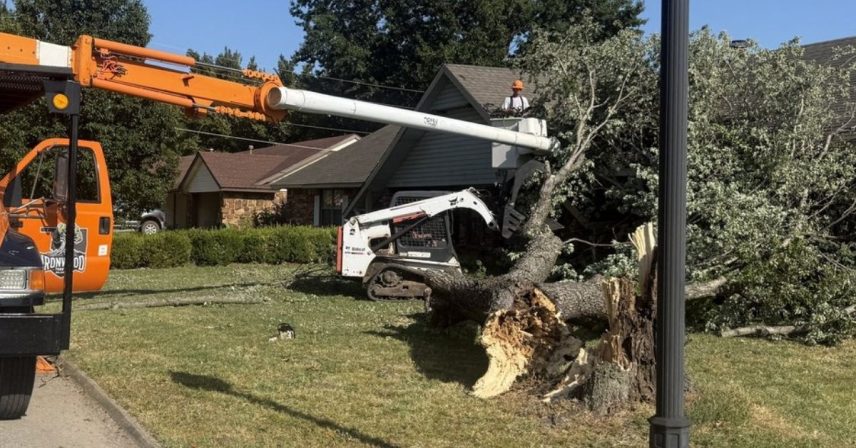
The best time to remove a tree in Tulsa County, OK, depends on the tree’s condition, the weather, and the work needed to remove it. Late fall and winter can be convenient for planned removals because many deciduous trees have lost their leaves, making branches easier to see. However, a dead, unstable, or storm-damaged tree may need attention at any time of year. At Ironwood Tree Service, we help homeowners determine when removal makes sense and plan the work around their property’s conditions.
What Is the Best Season to Remove a Tree in Tulsa County?
Late fall through winter can be a good time to schedule routine tree removal in Tulsa County, but there is no single season that works best for every tree. The right timing depends on the tree’s condition, access to the work area, soil conditions, and the risk the tree poses to nearby structures.
During fall and winter, deciduous trees lose their leaves, giving our crew a clearer view of the trunk, major limbs, and branch structure. Cooler weather can also make outdoor work more comfortable. If you have been planning to remove an unwanted tree, these months may provide a convenient opportunity to arrange an estimate and schedule the job.
Spring and summer removals can make just as much sense. A tree that has developed serious structural problems should not be left standing simply because it is the wrong season. Storm damage, declining health, and interference with a home or other structure can all affect the decision.
We look at the individual tree and the surrounding property before recommending a schedule. Our goal is to determine whether the removal can be planned for a convenient time or whether the condition of the tree calls for more immediate attention.
Is Winter a Good Time to Remove Trees in Tulsa, OK?
Yes, winter can be a practical time to remove many trees in Tulsa, especially when the work is planned in advance. With many deciduous trees bare, our crew can often see the main branches and trunk more clearly. Winter scheduling may also give homeowners time to address unwanted trees before spring landscaping or construction projects begin.
Oklahoma State University Extension identifies November 15 through March 15 as a favorable period for pruning most trees and shrubs. That guidance applies to pruning, however, and should not be treated as a universal rule for tree removal. The best removal date still depends on the tree and the conditions at the property.
Winter weather can also complicate a job. Heavy rain may leave the ground soft, while ice, strong winds, or freezing conditions can make equipment operation and tree handling more difficult. We consider these factors when scheduling work and may need to adjust a planned removal if conditions are unsafe.
If you have a tree you want removed before spring, winter is worth considering. We can assess its condition, review access to the site, and provide a written estimate so you know what the job involves before scheduling.
Should You Remove a Tree Before Tulsa’s Storm Season?
If a tree has significant structural problems, it is worth having it assessed before severe weather arrives. Strong winds, heavy rain, and ice can place additional stress on weakened trees and branches. Removing a tree with serious defects before a storm may help reduce the chance of it falling onto a house, vehicle, fence, or other property.
Tulsa homeowners should pay attention to trees with large dead limbs, visible trunk cracks, substantial decay, damaged roots, or a new lean. A tree may also deserve a closer look if the ground around its base has lifted or if major branches have broken during previous storms.
Not every damaged-looking tree needs to be removed. Some trees can remain in place with appropriate care, while others have structural problems that make removal the more suitable option. We assess the tree’s condition and its surroundings before recommending the next step.
At Ironwood Tree Service, we provide tree removal in Tulsa for dead, hazardous, and unwanted trees. If severe weather has already caused a tree to fall or left one in a dangerous position, our 24/7 emergency tree service can help address urgent situations.
Don’t wait for a particular month if you are concerned about a tree that may fall. An assessment before the next storm is a sensible step toward understanding the risk.
What Signs Mean a Tree Should Be Removed Regardless of the Season?
A tree may need removal at any time of year if it is dead, severely damaged, or structurally unstable. Seasonal timing matters less when a tree presents a serious hazard to people or property. The important step is to determine whether the tree can remain safely or whether removal is the better option.
Watch for these warning signs:
- Extensive dead branches: Large dead limbs in the upper canopy may indicate declining health or a risk of falling.
- Major trunk cracks: Deep cracks, splits, or separated sections can signal structural weakness.
- Significant decay: Hollow areas, soft or deteriorating wood, and large areas of damaged bark may warrant a closer assessment.
- Root damage: Severed roots, exposed roots, or soil lifting around the trunk can affect a tree’s stability.
- A sudden change in lean: A tree that begins leaning noticeably, especially after a storm, should be evaluated.
- Severe storm damage: A split trunk, broken main stem, or large hanging limb may create an immediate hazard.
These signs do not automatically mean a tree must come down. Their significance depends on the extent of the damage, the species, the tree’s structure, and what could be struck if a limb or the entire tree failed.
We can inspect a concerning tree and explain whether removal is warranted. If a tree has fallen onto a structure or appears unstable, keep people away from the area and contact us for assistance. Never attempt to cut a suspended limb or work near damaged utility lines yourself.
How Do Tulsa’s Weather and Soil Conditions Affect Tree Removal?
Weather and ground conditions can influence when we can safely remove a tree in Tulsa County. A job that is straightforward in dry, calm weather may require additional planning after heavy rain, during high winds, or when ice affects the work area. The calendar is only one part of deciding when to proceed.
Heavy rainfall can soften the soil around a tree and make it harder for trucks and other equipment to move across a yard without damaging the ground. This can be especially important when access is limited or when a large tree stands close to landscaping, driveways, fences, or buildings.
Wind and ice create different challenges. Strong winds can make branches and tree sections harder to control, while ice adds weight to limbs and can make surfaces slippery. Extreme heat can also affect working conditions during summer removals.
Because Northeast Oklahoma experiences changing weather throughout the year, we evaluate the actual conditions rather than promise that a particular month will always be suitable. If the weather creates an unsafe situation, rescheduling a planned removal may be necessary.
When you request an estimate, let us know about narrow access points, soft ground, nearby structures, or other concerns around the tree. These details help us plan the work and determine what equipment and precautions the job may require.
What Factors Should You Consider Before Scheduling Tree Removal?
The best time to schedule tree removal depends on more than the season. The tree’s condition, its location, access for equipment, and your plans for the property all affect the decision. Considering these details early can help you choose a practical schedule and avoid waiting until a manageable problem becomes urgent.
Before arranging a removal, consider the following:
- The tree’s condition: A dead or unstable tree deserves prompt attention, while a healthy tree that is simply unwanted may allow more flexibility.
- Nearby structures: Trees close to houses, garages, fences, driveways, or other features may require more careful planning.
- Equipment access: Narrow gates, overhead obstacles, and limited space can affect how the crew reaches and removes the tree.
- Ground conditions: Soft or saturated soil may affect equipment access and the risk of damage to the yard.
- Your property plans: If you are building an addition, installing a driveway, changing landscaping, or clearing a lot, coordinating removal with the project can save time.
- Stump grinding and cleanup: Decide whether you want the remaining stump ground down and whether the branches, trunk sections, and other debris should be hauled away.
At Ironwood Tree Service, we provide free written estimates after assessing the tree and the work area. We explain the scope of the job and the quoted price before work begins, so you can make a decision with a clear understanding of what is included.
If the tree is not an immediate hazard, arranging an estimate early gives you more flexibility in choosing a suitable date.
How Much Does Tree Removal Cost in Tulsa County?
Tree removal costs in Tulsa County depend on the tree’s size, condition, location, and the equipment needed to complete the job. A small tree in an open yard generally requires less work than a large, dead tree beside a house or one with difficult access. Stump grinding and debris removal can also affect the total.
At Ironwood Tree Service, typical removal prices in the Tulsa area range from approximately $400 to $1,500 or more, depending on the job. Small trees may fall toward the lower end of that range, while large trees and complicated removals can cost more. These figures are general estimates, not a guaranteed price for a particular property.
The season alone does not determine the cost. Winter weather may affect access or scheduling, but a tree’s size, condition, and surroundings usually play a more direct role in the work required.
For a more detailed breakdown, read our guide to tree removal costs in Tulsa. We can also visit your property, assess the tree, and provide a free written estimate before you decide how to proceed.
Need Help Deciding When to Remove a Tree?
If you have a dead, damaged, overgrown, or unwanted tree on your property, we can help you determine the next step. Ironwood Tree Service provides tree removal throughout Tulsa and Northeast Oklahoma, with free written estimates, full insurance coverage, and 24/7 emergency service.
Call us at (918) 276-3648 to arrange an estimate. We’ll assess the tree, explain the work involved, and give you a clear price before the job begins.
Frequently Asked Questions About Tree Removal in Tulsa County
1. What month is best for tree removal in Tulsa County, OK?
Late fall and winter can be convenient for planned removals, particularly when deciduous trees have lost their leaves. However, the best month depends on the tree’s condition, weather, soil, and equipment access. If a tree presents a serious hazard, removal may be necessary regardless of the season.
2. Is tree removal cheaper in winter?
Not necessarily. Winter does not automatically make tree removal less expensive. Tree size, condition, access, nearby structures, equipment requirements, and stump grinding have a greater influence on the price. We provide a written estimate based on the specific work required at your property.
3. Can a tree be removed during the summer in Oklahoma?
Yes. Trees can be removed during summer when weather and site conditions allow the work to proceed safely. Heat, storms, and saturated ground after heavy rain may affect scheduling, but summer is not automatically a bad time for removal. A hazardous tree should be assessed promptly.
4. Should a dead tree be removed immediately?
A dead tree should be assessed promptly because dead wood can become brittle and branches may fall. Whether immediate removal is necessary depends on the tree’s stability and its proximity to people, buildings, vehicles, and other areas of concern. Keep clear of an unstable tree until the risk has been assessed.
5. How do I know if a leaning tree needs to be removed?
A new or increasing lean, especially when accompanied by lifted soil, exposed roots, or trunk cracks, can indicate a stability problem. Some trees naturally grow at an angle, so leaning alone does not always mean removal is necessary. We can assess the tree’s structure and surroundings to help determine the appropriate next step.
6. Do I need a permit to remove a tree in Tulsa County?
Requirements can depend on the property’s location, ownership, and any applicable local restrictions. Tulsa city rules and requirements elsewhere in Tulsa County may differ, so don’t assume the same rules apply to every property. Check with the relevant local authority before removing a tree if you are unsure whether approval is required.
7. Can heavy rain or strong winds delay tree removal?
Yes. Heavy rain can soften the ground, while strong winds and ice can make tree work unsafe. We consider weather, soil conditions, equipment access, and the tree’s position when planning a job. If conditions prevent safe work, a planned removal may need to be rescheduled.
8. Should I remove a tree before building an addition or driveway?
If the tree is within the planned construction area or could interfere with access, it is sensible to evaluate removal before work begins. Coordinating tree removal with the project can help avoid delays and make it easier to plan stump grinding and debris cleanup. We can assess the tree and the space available for equipment.
9. Does tree removal include stump grinding?
Not always. Tree removal and stump grinding may be priced separately, depending on the work requested. We offer stump grinding for homeowners who want to remove the remaining stump and reclaim the area for landscaping, lawn work, or other uses. Confirm which services are included in your written estimate.
10. How far in advance should I schedule tree removal?
For a routine removal, requesting an estimate before you need the work completed gives you more flexibility with scheduling. Timing depends on the job’s complexity, weather, and current demand. If a tree has fallen or presents an urgent hazard, contact our team rather than waiting for a routine appointment.